1. The Science Behind a Perfect Cup of Coffee
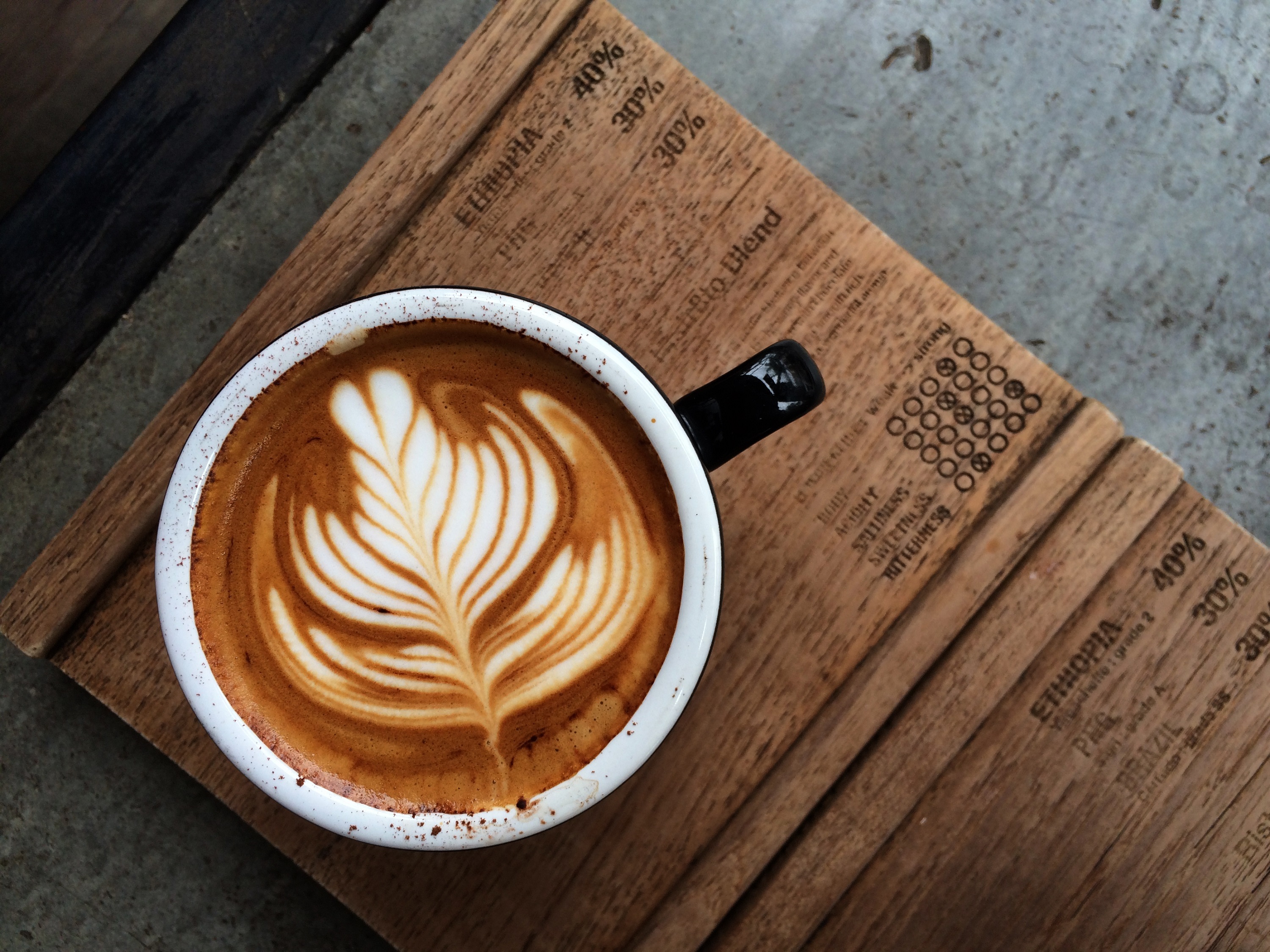
Coffee is more than just a morning pick-me-up—it’s a blend of science and art that results in a perfectly brewed cup. In this blog, we dive deep into the chemistry behind coffee brewing and explore how small adjustments can have a significant impact on the flavor. From understanding the intricate properties of coffee beans to mastering the ideal grind size, water temperature, and brew time, this blog will equip readers with the knowledge to elevate their coffee game.
The Chemistry of Coffee Beans
Coffee beans are rich in compounds that contribute to the flavor, aroma, and texture of your cup. The process begins when beans are roasted, causing chemical reactions like Maillard browning, which creates the complex flavors we love. The beans’ freshness and the way they’re ground directly affect how well they extract flavors during brewing. In this section, we'll discuss how different roasting levels (light, medium, dark) can influence taste and how to identify the best beans for your brew method.
The Importance of Grind Size
One of the most overlooked aspects of brewing coffee is the grind size. The grind of your beans determines how quickly water interacts with them, which influences extraction. A coarse grind is ideal for methods like French press, where water needs more time to extract flavors. A fine grind is best for espresso, as it allows for a quicker extraction process. This blog will provide a breakdown of ideal grind sizes for various methods and explain why consistency in grind is key to achieving the perfect brew.
Water Temperature: The Golden Range
Water temperature plays a crucial role in coffee extraction. If the water is too hot, it can over-extract the beans, leading to a bitter taste. If it’s too cold, the coffee will taste under-extracted and weak. The ideal water temperature for most brewing methods is between 195°F and 205°F (90°C - 96°C). We’ll explore how to achieve this temperature range and why it's crucial for balancing the flavor profile of your coffee.
Brew Time: Finding the Sweet Spot
Every brewing method requires a different brew time, and finding the sweet spot is essential for optimal extraction. For example, French press brewing generally takes about 4 minutes, allowing for a fuller-bodied, rich flavor, while pour-over brewing usually takes 2-3 minutes for a lighter, cleaner cup. Espresso extraction is much quicker—around 25-30 seconds—but it requires precision. In this section, we’ll cover how to adjust brew times based on your equipment and desired flavor.
Brewing Methods: From French Press to Espresso
Each brewing method offers a distinct way to unlock the flavors of coffee beans. In this section, we break down popular brewing methods and offer tips for perfecting each one:
- French Press: Ideal for a rich, full-bodied coffee, the French press allows oils from the coffee beans to remain in the cup, enhancing the flavor. We’ll go over the correct grind size, water-to-coffee ratio, and brewing time.
- Pour-Over: This method gives you complete control over the brewing process, resulting in a clean, nuanced cup of coffee. We’ll explain how to properly bloom the coffee, use the right pour rate, and ensure a smooth, balanced extraction.
- Espresso: The espresso machine forces water through finely-ground coffee at high pressure, extracting intense flavors in a short time. This section will guide you through selecting the right grind size, tamping pressure, and shot timing to produce the perfect shot of espresso.
Elevating Your Coffee Game
In this final section, we’ll offer tips for coffee enthusiasts who want to take their brewing to the next level. This includes experimenting with different beans, adjusting ratios based on personal preferences, and exploring alternative brewing methods like AeroPress or siphon brewing. We’ll also discuss the importance of using high-quality water and maintaining your equipment for consistency and great results every time.
By the end of this blog, readers will not only have a deeper understanding of the science behind coffee brewing but also the practical skills to apply it in their daily brewing routine. Whether you're a casual coffee drinker or a dedicated enthusiast, these tips will help you appreciate the complexity and artistry behind every cup.